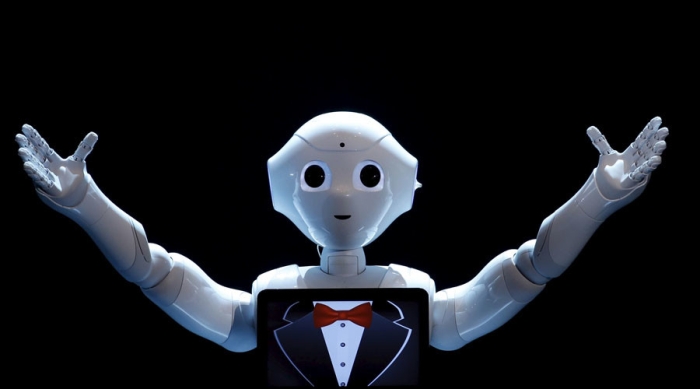
Humanoid robot goes to school
Pepper is a new student in Hisashi High School in Waseda, Japan. He is the first robot in history, who will be attend classes alongside human students.
Pepper speaks both English and Japanese. He will mostly take part in English classes, though the school has told Pepper than he can also visit other classes and activities.
Pepper was developed by Japanese corporation SoftBank Robotics and is intended to be primarily used for customer service in banks and shops. In fact at March, first tests his job in reality has started. His abilities allows him to do much more than only customer services. He is equipped with a camera and sensors which allow him to identify human emotions. He even is able to laugh at jokes.
Is Pepper going to be next generation of clerks and shop assistants? It is possible. SoftBank want to start mass production of humanoids and Tokyo already has offered subsidies to companies willing to employ the unconventional workers. There is only one problem – emotions. Not Pepper’s but humans who interact with robot. In Kanagawa, 60 year old man fell into a fit of rage and started kicking the robot at SoftBank store. He damaged robot, but also showed that assimilation can be not so easy. Let’s hope that Pepper won’t encounter any similar bullies in the halls of his high school.
You might also like
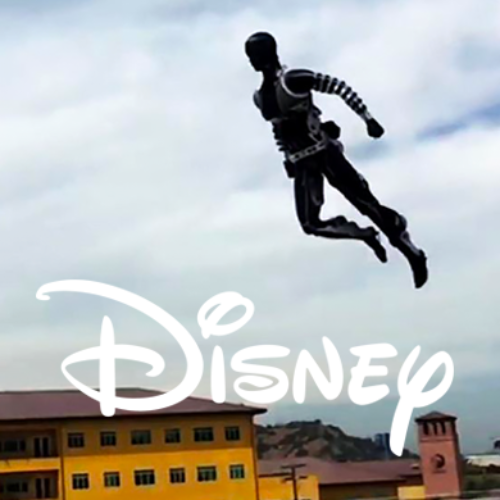
Disney’s New Robotic Stunt Double
Disney land has always over the years been known for their contributions to the technology with increasingly impressive versions of their character animatronics. Despite this nobody could have predicted an
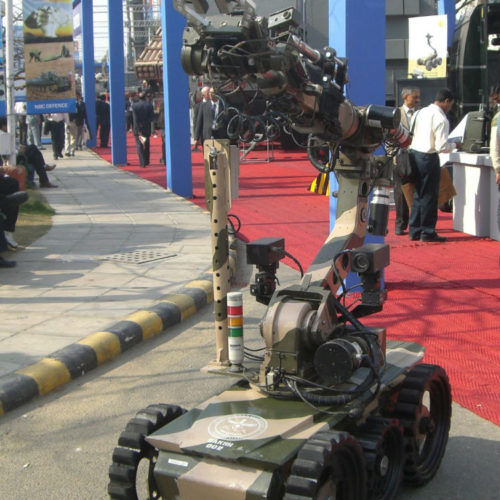
DRDO Daksh
Daksh is an electrically powered and remotely controlled robot used for locating, handling and destroying hazardous objects safely. The primary function of this battery powered remotely controlled robot on wheels
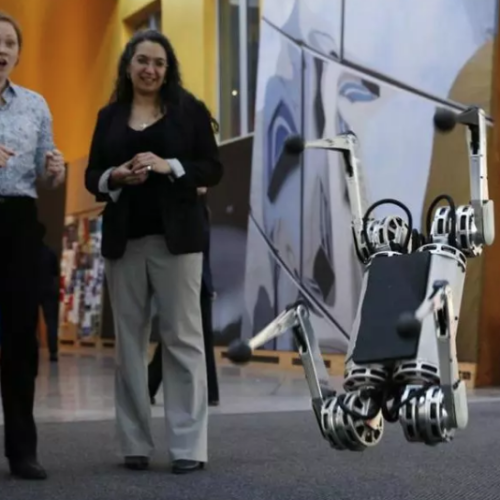
Mini Cheetah From MIT
Mini Cheetah from MIT is the first four-legged robot that can do backflips. We all know the Atlas from Boston Dynamics is capable of them, but he only has two legs